
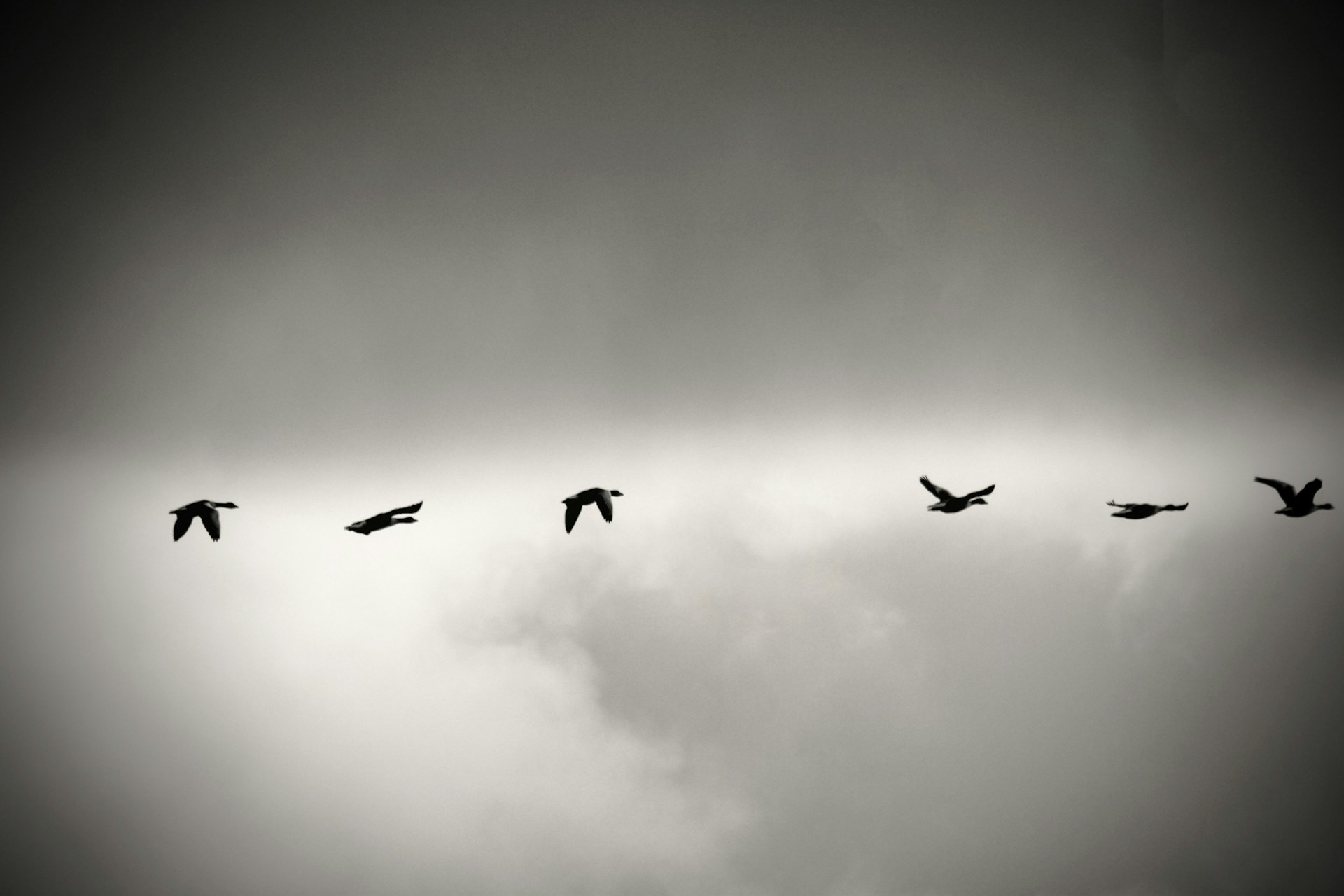
Photo by Denley Photography on Unsplash
A Peek into the Process: Collaboration
Susan Walton and Tim Gutteridge in an Illuminating Back-and-forth
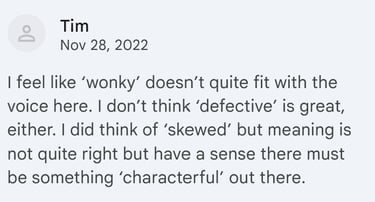
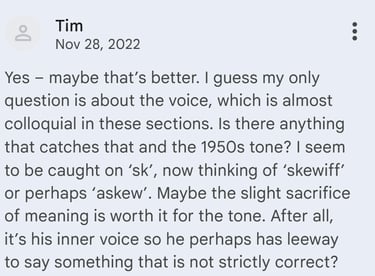
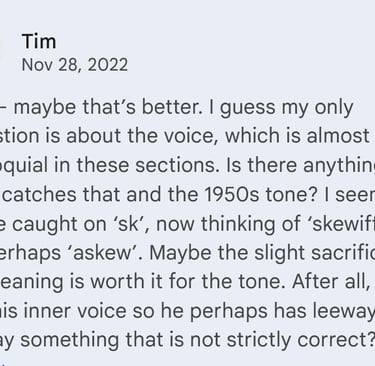
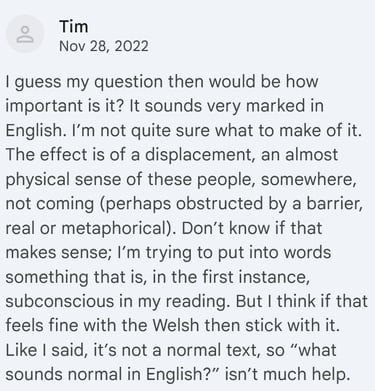
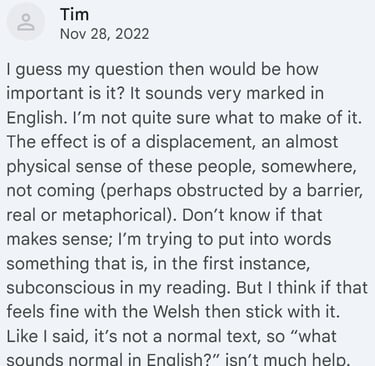
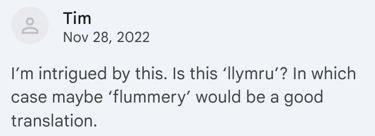
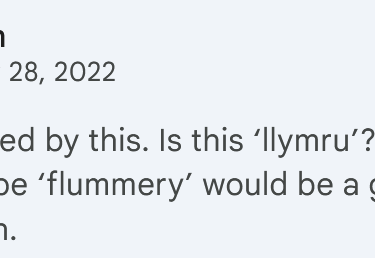
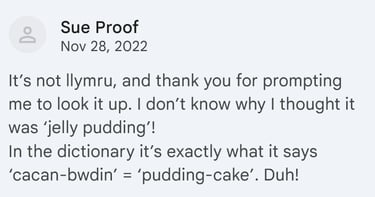
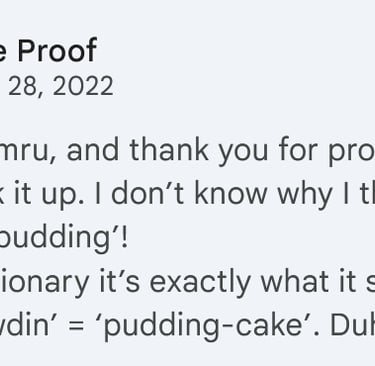
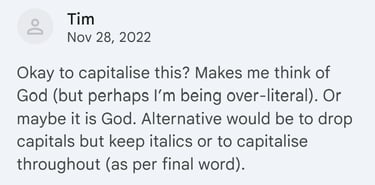
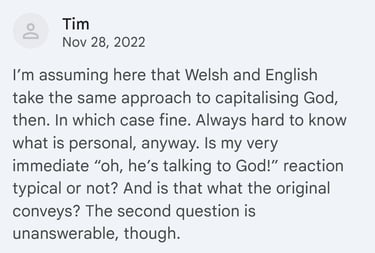
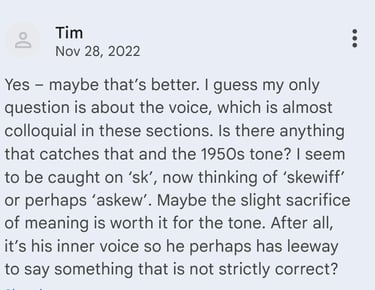
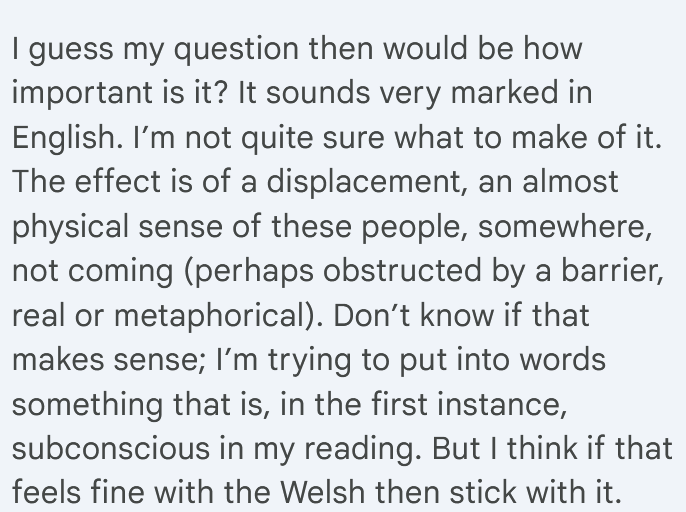
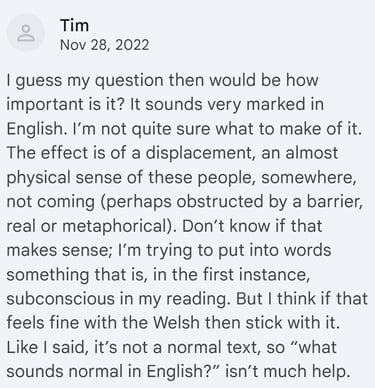
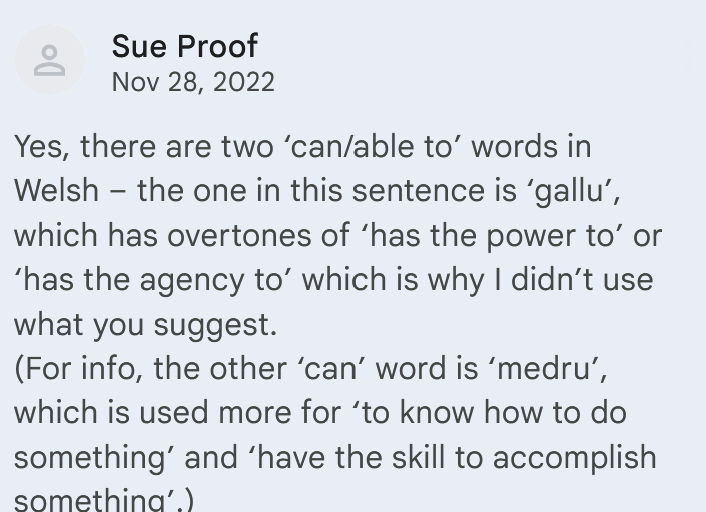
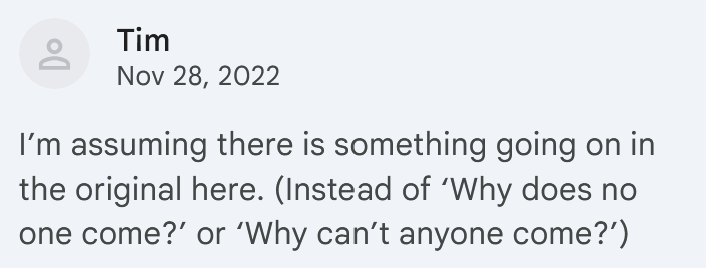
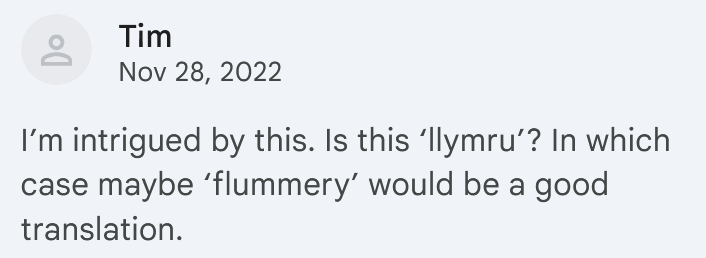
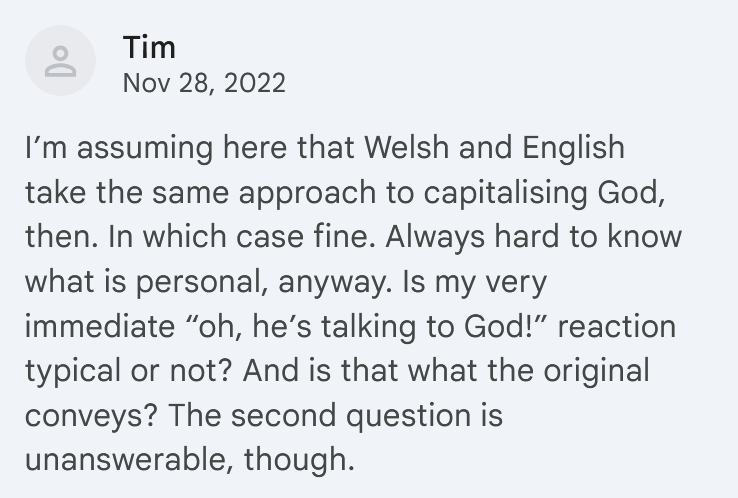
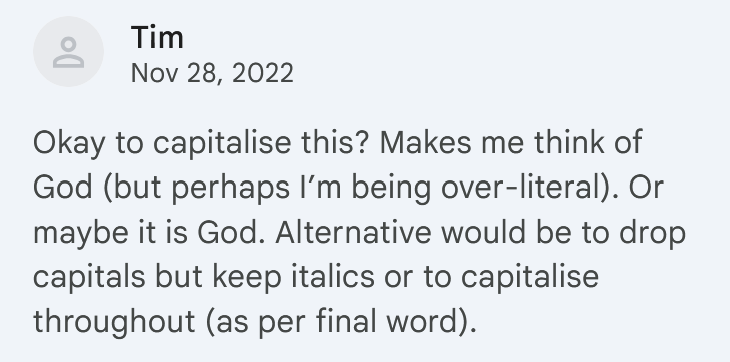
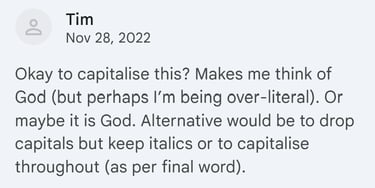
Translation is a “lonely business,” but it often involves asking for feedback and comparing perspectives. In these detailed microdiscussions, Susan Walton, the translator of Owain Owain’s Wild Geese, and Tim Gutteridge—assuming the roles of a colleague, friend, and editor—collaborate to examine various translation options, striving for those that achieve the greatest accuracy and nuance.
I’ll wash myself and dress—in case someone comes.
But no one will come.
* * * *
They must have been wild geese. I didn’t see them, only heard them—heavy wings beating the moonlit night—strong and slow and certain, and the sound of the wires shaping the long necks, and the deep beating embodying majestic wings in the grey mind.
I didn’t rise from the bed, to draw back the curtains, to stare at the white mystery of the moonlit night—to see the wild geese. I only listened to them going past—listened to the thin noise echoing the yearning, and the heavy beating giving voice to the wild necessity.
Then they had gone. Had gone past, and me without rising from the bed, without drawing the curtains back, without escaping unrestrained through the brilliant white bars and beyond to the captive shadows. Without seeing the wild geese.
Wild geese on a boundless backcloth—and I didn’t see them.
Wild geese on a moonlit night, flying through life. How many times, I wonder? Once, maybe—maybe twice; not much more.
And me without seeing them. I hadn’t risen from the bed. Nor drawn back the curtains. Nor gazed through the smooth glass. But I heard them. And that, as far as I know, was the last chance.
* * * *
The letter was nice enough, fair play. “Dear Friend” and “Yours sincerely”. Really—it was exceptionally nice.
I re-read the letter – its “Dear Friend” and its “sincerely”. And I looked at its content too.
And at the stamp—the stamp on the envelope.
You know—there’s something not right with this here stamp.
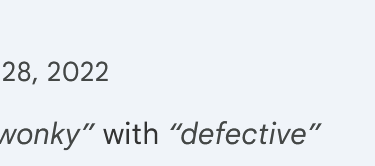
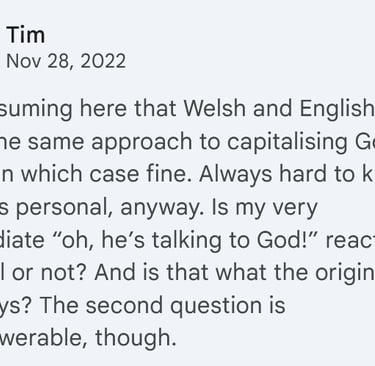
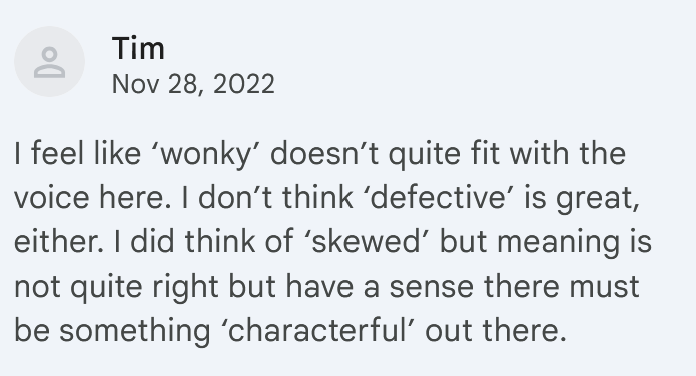
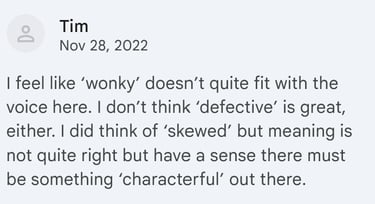
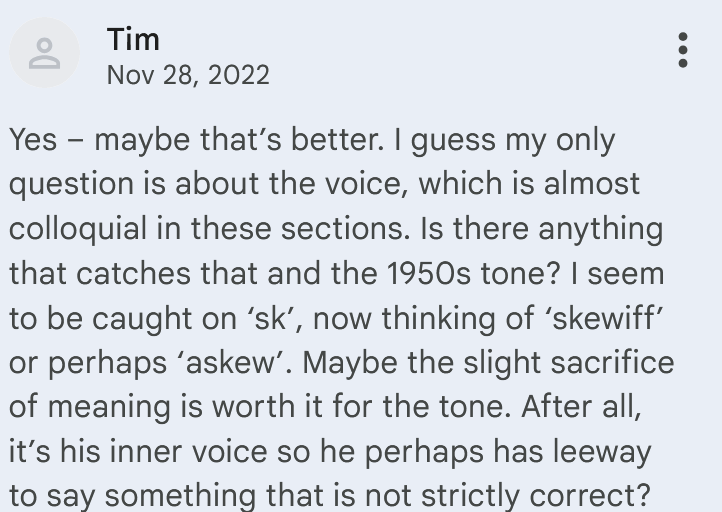
That line of lead on the left is thicker than usual –unusually thick. I wouldn’t be surprised if it’s valuable. That thick line there makes it valuable. It’s abnormal, wonky defective.
I’ll keep the stamp—the stamp on the envelope. I’ll put it in the bureau drawer—now. It’ll be more valuable in a few years’ time. A pound, maybe? Two pounds, even? Goodness knows! But I’ll put it in the bureau drawer right now, with great care. And it can stay there—for ten years, maybe. Or twenty years. Or forever.
And the nice letter, and the “Dear Friend”, very sincere in the costly rubbish bin.
* * * *
I’ll wash myself before breakfast—there’s enough time before the postman comes. I’ll have the chance to wash and dress before the letter comes through the door.
And then breakfast. After the postman comes. After the letter arrives.
Yes—I’ll wash myself first. The time will pass quicker. A quarter of an hour is a long time.
I’ll be fresher to read the letter. And I’ll savour my breakfast more—after washing and dressing and reading the letter.
* * * *
I never saw a more common stamp in my life. I wouldn’t be surprised if it was uncommonly common—every straight line straight, every letter of the alphabet in its place, everything correct and perfect and absolutely wholly ordered.
And the line of lead there on the left—it’s perfect. As perfect as a hundred thousand million others. And just as worthless.
It’s a shame a spider didn’t fall into the machine. It would have been squashed to a fine pulp between the costly paper and the ink rollers, and the stamp would have been wonderfully imperfect. Worth hundreds—maybe thousands.
One sweet spider and its valuable sacrifice, and that worthless piece of paper would be gloriously splendid.
One sweet little spider—that’s all. And the stamp would be lying splendidly imperfect in the bureau drawer instead of being there in the rubbish bin, with the nice letters and the mouldering tea leaves and dried-up biros and faded carbon paper.
* * * *
Do you hear them now—those wild geese? Do you hear that tension in the long whistling of their flight and the hard beating churning the air into sheets of steel?
Going past they are, you know. Going past and going past and going past.
They won’t come back, either. I know they won’t come back.
They never come back, you see. Only go past.
And they know where to. And they know why.
Hear the thin noise—a line of noise without deviation. They know where to.
And the intense beating. They know why.
* * * *
Good heavens!—I can’t go on like this!
Two months have passed, and the letters are still worthless and polite and nicely negative. And today’s gone again …
It’s too late now. Nothing will come now. Only nice letters—nice and polite, polite and proper, proper and worthless.
And there’s today gone past again—the first post, the second post. And nothing.
But I’ll wash myself. And put on a clean shirt. In case someone comes.
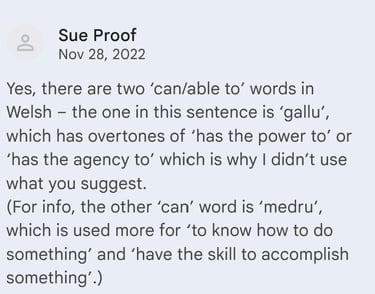
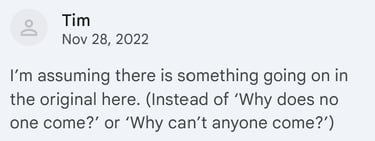
Why not! Why is no one able to come?
Who knows?
Yes—I’ll wash myself, and put on a fresh white shirt.
In case.
* * * *
Do you hear those wild geese? Do you hear their necks chattering and their wings creaking?
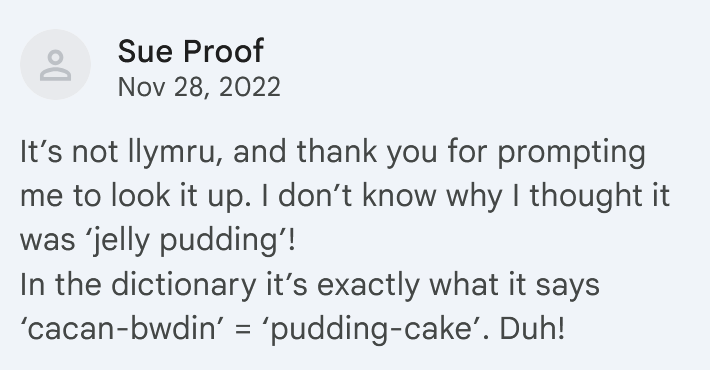
And the dear sweet little spider—do you hear it crunching between the costly paper and the ink rollers? Do you see it as a pudding-cake worth a thousand pounds between the ink and the paper?
Do you see them? Do you hear them?
And again, and again, and again, and again …
* * * *
He doesn’t understand, you see! And it’s no use telling Him! He’ll never understand. There’s not a grain of understanding in Him!
I wouldn’t be surprised if He has never seen wild geese fly through the moonlit air. Never heard them, either.
He’s a stupid idiot! Why doesn’t he keep away?
Damn him! He’s coming closer! I’ll put away the stamps– in case he steals them. And the glue-pot. And the brush.
He doesn’t understand. He understands bugger all about anything.
Wild geese? Huh—I’ll bet He has never even heard them, let alone seen them!
Nor you, either—you stupid idiot! With your eight legs and your fly-less web!
You’d better not prance off! Your place is in the jam jar. I’ve got work for you to do—important work!
But don’t tell HIM!




Wild Geese
Wild Geese
I’ll wash myself and dress—in case someone comes.
But no one will come.
* * * *
They must have been wild geese. I didn’t see them, only heard them—heavy wings beating the moonlit night—strong and slow and certain, and the sound of the wires shaping the long necks, and the deep beating embodying majestic wings in the grey mind.
I didn’t rise from the bed, to draw back the curtains, to stare at the white mystery of the moonlit night—to see the wild geese. I only listened to them going past—listened to the thin noise echoing the yearning, and the heavy beating giving voice to the wild necessity.
Then they had gone. Had gone past, and me without rising from the bed, without drawing the curtains back, without escaping unrestrained through the brilliant white bars and beyond to the captive shadows. Without seeing the wild geese.
Wild geese on a boundless backcloth—and I didn’t see them.
Wild geese on a moonlit night, flying through life. How many times, I wonder? Once, maybe—maybe twice; not much more.
And me without seeing them. I hadn’t risen from the bed. Nor drawn back the curtains. Nor gazed through the smooth glass. But I heard them. And that, as far as I know, was the last chance.
* * * *
The letter was nice enough, fair play. “Dear Friend” and “Yours sincerely”. Really—it was exceptionally nice.
I re-read the letter – its “Dear Friend” and its “sincerely”. And I looked at its content too.
And at the stamp—the stamp on the envelope.
You know—there’s something not right with this here stamp.
That line of lead on the left is thicker than usual –unusually thick. I wouldn’t be surprised if it’s valuable. That thick line there makes it valuable. It’s abnormal, wonky defective.
I’ll keep the stamp—the stamp on the envelope. I’ll put it in the bureau drawer—now. It’ll be more valuable in a few years’ time. A pound, maybe? Two pounds, even? Goodness knows! But I’ll put it in the bureau drawer right now, with great care. And it can stay there—for ten years, maybe. Or twenty years. Or forever.
And the nice letter, and the “Dear Friend”, very sincere in the costly rubbish bin.
* * * *
I’ll wash myself before breakfast—there’s enough time before the postman comes. I’ll have the chance to wash and dress before the letter comes through the door.
And then breakfast. After the postman comes. After the letter arrives.
Yes—I’ll wash myself first. The time will pass quicker. A quarter of an hour is a long time.
I’ll be fresher to read the letter. And I’ll savour my breakfast more—after washing and dressing and reading the letter.
* * * *
I never saw a more common stamp in my life. I wouldn’t be surprised if it was uncommonly common—every straight line straight, every letter of the alphabet in its place, everything correct and perfect and absolutely wholly ordered.
And the line of lead there on the left—it’s perfect. As perfect as a hundred thousand million others. And just as worthless.
It’s a shame a spider didn’t fall into the machine. It would have been squashed to a fine pulp between the costly paper and the ink rollers, and the stamp would have been wonderfully imperfect. Worth hundreds—maybe thousands.
One sweet spider and its valuable sacrifice, and that worthless piece of paper would be gloriously splendid.
One sweet little spider—that’s all. And the stamp would be lying splendidly imperfect in the bureau drawer instead of being there in the rubbish bin, with the nice letters and the mouldering tea leaves and dried-up biros and faded carbon paper.
* * * *
Do you hear them now—those wild geese? Do you hear that tension in the long whistling of their flight and the hard beating churning the air into sheets of steel?
Going past they are, you know. Going past and going past and going past.
They won’t come back, either. I know they won’t come back.
They never come back, you see. Only go past.
And they know where to. And they know why.
Hear the thin noise—a line of noise without deviation. They know where to.
And the intense beating. They know why.
* * * *
Good heavens!—I can’t go on like this!
Two months have passed, and the letters are still worthless and polite and nicely negative. And today’s gone again …
It’s too late now. Nothing will come now. Only nice letters—nice and polite, polite and proper, proper and worthless.
And there’s today gone past again—the first post, the second post. And nothing.
But I’ll wash myself. And put on a clean shirt. In case someone comes.
Why not! Why is no one able to come?
Who knows?
Yes—I’ll wash myself, and put on a fresh white shirt.
In case.
* * * *
Do you hear those wild geese? Do you hear their necks chattering and their wings creaking?
And the dear sweet little spider—do you hear it crunching between the costly paper and the ink rollers? Do you see it as a pudding-cake worth a thousand pounds between the ink and the paper?
Do you see them? Do you hear them?
And again, and again, and again, and again …
* * * *
He doesn’t understand, you see! And it’s no use telling Him! He’ll never understand. There’s not a grain of understanding in Him!
I wouldn’t be surprised if He has never seen wild geese fly through the moonlit air. Never heard them, either.
He’s a stupid idiot! Why doesn’t he keep away?
Damn him! He’s coming closer! I’ll put away the stamps– in case he steals them. And the glue-pot. And the brush.
He doesn’t understand. He understands bugger all about anything.
Wild geese? Huh—I’ll bet He has never even heard them, let alone seen them!
Nor you, either—you stupid idiot! With your eight legs and your fly-less web!
You’d better not prance off! Your place is in the jam jar. I’ve got work for you to do—important work!
But don’t tell HIM!






Owain Owain (1929–1993) was a writer, physicist, and language activist. He founded Tafod Y Ddraig, the Welsh Language Society newspaper, which remains a cornerstone of Welsh-language activism, and designed the ubiquitous “Dragon’s Tongue” logo. A prolific and eclectic writer, his biography Mical (Gwasg Gomer, 1976) won Literature Wales’s Book of the Year award. His novel Y Dydd Olaf (“The Last Day”) was the inspiration for musical artist Gwenno Saunders’s 2014 album of the same name. Since then, it has been translated into Polish and Cornish and was republished in Welsh in 2021 by Gwasg y Bwthyn.
Susan Walton translates from Welsh/Cymraeg to English. She has published fifteen translated books with Gwasg Carreg Gwalch: nine historical novels for older children, the rest poetry and nonfiction.
In 2020, Susan was mentored as an emerging literary translator on a scheme arranged by Wales Literature Exchange, Literature Wales, and the National Centre for Writing in Norwich, England. The outcome was This House, a translation of the novella Yn y Tŷ Hwn by Sian Northey, published in the UK in 2024 by 3TimesRebel Press. Susan also occasionally writes original pieces; the first of these to be published is a poem called “Culverted Memories” in the anthology Afonydd (Arachne Press, 2025).
Her translation of another Sian Northey piece—the essay “How Are You?” “I’m Fine.”—represented Welsh/Cymraeg in the 2026 Words Without Borders suite of translations from the extant Celtic languages, The Beating Heart: New Celtic Writing.
Susan is currently involved in the “Colli Llais” project with the Theatr Bara Caws theater company, with an eye to translating drama in the future.
Tim Gutteridge is a creative and literary translator from Spanish into English. He lives in Edinburgh.
DROP US A LINE AT
submit@thethirdwheel.org
editors@thethirdwheel.org
© 2025. All rights reserved.
*Your viewing experience may vary depending on your browser or device settings. If you encounter any difficulties, please change your browser or adjust your device settings.